Coccyx Pain
Alternative Treatments for Coccyx Pain (2026 Guide)
By Coccyx Relief Editorial Team · Updated 2026-03-01
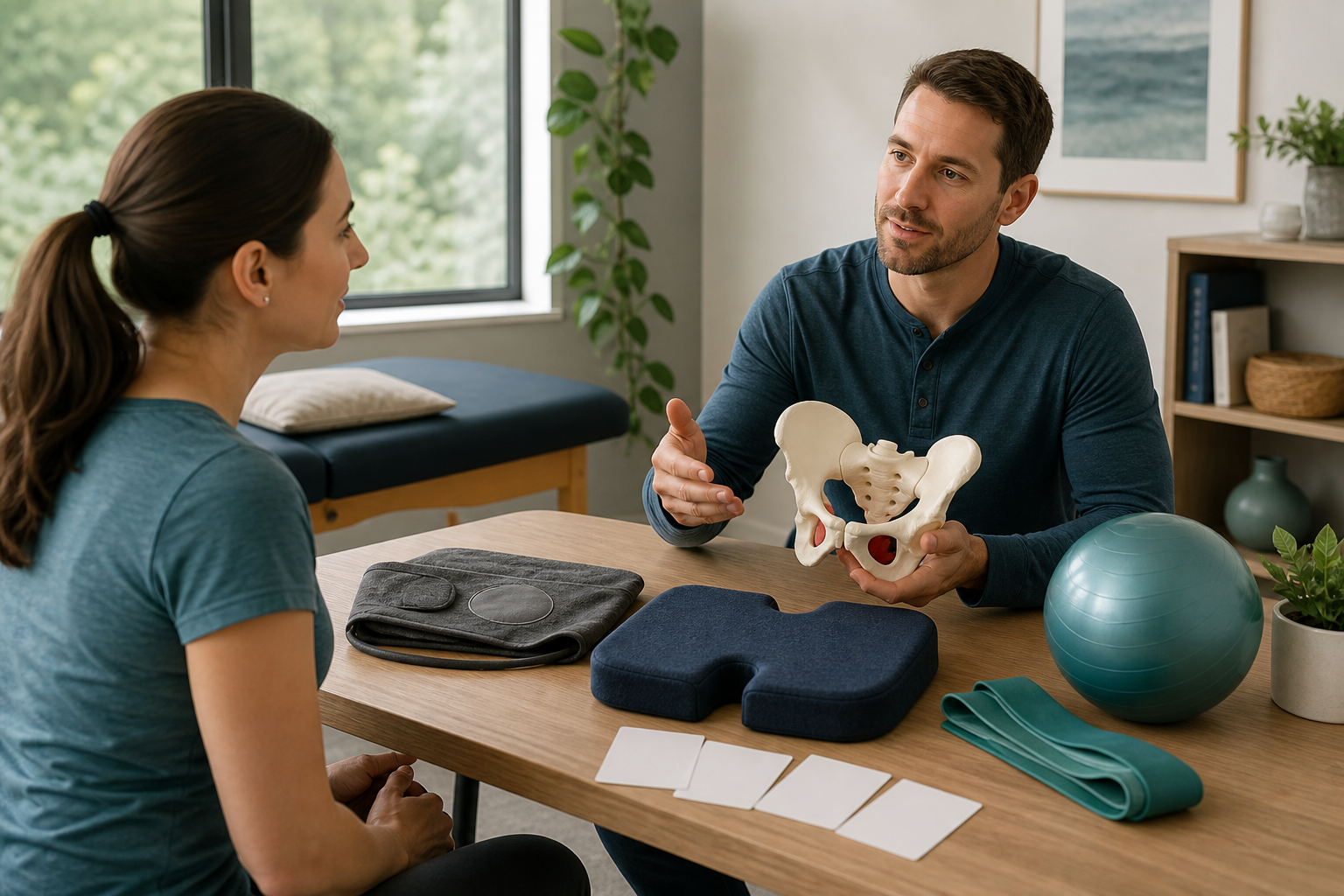
The most evidence-supported alternative treatments for coccyx pain are manual therapy (internal or external), acupuncture, and TENS therapy. These work best in combination with ergonomic changes and targeted exercises.
Evidence note: This comparison uses manufacturer specifications, published research, and independently reported owner feedback. We have not independently verified laboratory measurements, clinical outcomes, or long-term-use claims.
When conventional treatments fall short — or when you prefer to avoid medications and invasive procedures — alternative therapies offer promising options. This guide examines the evidence behind each approach and helps you build a practical treatment plan.
Important: "Alternative" doesn't mean unproven. Many of these therapies have substantial research support. They should complement, not replace, appropriate medical evaluation.
The Coccyx Relief System: Everything You Need in One Place
Exercises, ergonomic setups, stretches, and a complete daily program. 30+ pages, instant download.
Get My Coccyx Relief SystemInstant download • 30-day money-back guarantee
Table of Contents
- Understanding Alternative Medicine for Coccyx Pain
- 1. Acupuncture
- 2. Chiropractic Care
- 3. Massage Therapy
- 4. Pelvic Floor Physical Therapy
- 5. Herbal and Natural Supplements
- 6. Mind-Body Therapies
- 7. Topical Treatments
- 8. TENS and Energy-Based Therapies
- Creating Your Treatment Plan
- Safety Considerations
- Frequently Asked Questions
Understanding Alternative Medicine for Coccyx Pain
Alternative approaches to coccydynia typically focus on:
- Reducing inflammation naturally
- Releasing muscle tension and trigger points
- Improving circulation and healing
- Restoring proper biomechanics
- Addressing pain through nervous system modulation
The coccyx (tailbone) connects to the sacrum via the sacrococcygeal joint and is surrounded by levator ani, gluteal, and coccygeus muscles — all of which can contribute to pain. Targeting these surrounding structures is often more effective than treating the bone itself.
1. Acupuncture
Evidence rating: Moderate — positive
Clinical evidence for acupuncture in coccydynia is limited but consistently positive. Small studies show 60–70% of patients experience meaningful pain reduction after 6–8 sessions targeting lumbosacral and pelvic points.
How it works
Acupuncture needles are placed at specific points to modulate pain signalling via the nervous system, reduce local inflammation, and relax surrounding musculature. For coccyx pain, practitioners typically target the sacral, lumbar, and pelvic floor regions.
Typical course: 6–12 sessions over 4–8 weeks
When to expect results: 2–4 sessions
Insurance coverage: Often covered by health funds for musculoskeletal pain
2. Chiropractic Care
Evidence rating: Moderate
Chiropractic manipulation of the sacrococcygeal joint can help when the coccyx is hypermobile or misaligned. Both external and internal manipulation techniques have been studied.
- External manipulation: adjusting the sacrum and lumbar spine
- Internal manipulation: direct coccyx realignment performed rectally (requires specialist training)
Studies by Maigne et al. showed that external manipulation produced meaningful pain reduction in the majority of patients within 3 sessions.
3. Massage Therapy
Evidence rating: Good
Therapeutic massage targeting the gluteus maximus, piriformis, and levator ani muscles reduces tension that directly stresses the coccyx.
Types of massage that help
Myofascial Release Gentle, sustained pressure on fascial restrictions can release tension in the pelvic floor and surrounding muscles that refer pain to the coccyx.
Trigger Point Therapy Specific pressure on trigger points in gluteal muscles, piriformis, and pelvic floor can eliminate referred pain patterns.
Deep Tissue Massage Addresses chronic muscle tension in the lower back, hips, and pelvis. Should be performed by therapists trained in pelvic pain.
Finding the right therapist
Look for:
- Licensed massage therapist (LMT) with pelvic floor or medical massage training
- Experience with chronic pain conditions
- Comfort working with the coccyx/pelvic area
4. Pelvic Floor Physical Therapy
Evidence rating: Strong
While sometimes considered conventional, specialised pelvic floor physical therapy deserves mention here because it is vastly underutilised and often succeeds where other treatments fail.
Studies show 70–85% of coccydynia patients improve significantly with pelvic floor physical therapy.
Techniques used
- Manual therapy: internal and external soft tissue mobilisation
- Myofascial release: releasing restricted fascia
- Trigger point release: deactivating painful muscle knots
- Joint mobilisation: gentle coccyx mobilisation
- Biofeedback: learning to control pelvic floor muscles
- Exercise prescription: targeted stretching and strengthening
Prefer a Structured Recovery Plan? Review the System
Use a step-by-step plan with exercises, setup guidance, and clear pacing prompts.
Get My Coccyx Relief SystemInstant download • 30-day money-back guarantee
5. Herbal and Natural Supplements
Anti-inflammatory supplements
Turmeric/Curcumin
- Dose: 500–1000 mg curcumin daily with piperine for absorption
- Evidence: Comparable to ibuprofen for inflammation in some studies
- Caution: May interact with blood thinners
Omega-3 Fatty Acids
- Dose: 2000–3000 mg EPA/DHA combined daily
- Evidence: Well-established anti-inflammatory effects
- Caution: High doses may increase bleeding risk
Boswellia (Frankincense)
- Dose: 300–500 mg standardised extract 2–3× daily
- Evidence: Shown effective for osteoarthritis and inflammation
Pain-relieving supplements
Magnesium
- Dose: 300–400 mg elemental magnesium daily
- Benefit: Muscle relaxation, reduces spasms
- Form: Glycinate or malate best absorbed
Vitamin D
- Dose: 2000–5000 IU daily (based on blood levels)
- Benefit: Deficiency linked to chronic pain; essential for bone health
CBD (Cannabidiol)
- Start: 10–20 mg daily, increase gradually
- Evidence: Growing research supports analgesic and anti-inflammatory effects
- Caution: Quality varies — choose third-party tested products
6. Mind-Body Therapies
Meditation and Mindfulness
Chronic pain involves both physical and neurological components. Mindfulness-Based Stress Reduction (MBSR) programs show significant benefit for chronic pain conditions. Mindfulness can:
- Reduce pain perception
- Decrease stress (which amplifies pain)
- Improve emotional coping
- Enhance treatment response
Biofeedback
Learning to control physiological responses — particularly muscle tension — can significantly reduce coccyx pain related to pelvic floor dysfunction.
Hypnotherapy
Clinical hypnosis can alter pain perception. Some studies show benefit for chronic pelvic pain.
7. Topical Treatments
Arnica Gel Homeopathic anti-inflammatory. Apply to sacral area 2–3× daily. Limited evidence but widely used with minimal risk.
Capsaicin Cream Depletes substance P (pain transmitter). May cause burning sensation initially.
CBD Topicals Creams and balms containing CBD may reduce local inflammation and pain when applied to the coccyx area.
Essential Oils Diluted lavender, peppermint, or eucalyptus oils may provide temporary relief through mild anti-inflammatory effects.
8. TENS and Energy-Based Therapies
TENS (Transcutaneous Electrical Nerve Stimulation)
TENS uses low-voltage electrical current to disrupt pain signals. Applied near the coccyx, it provides temporary relief for many patients and can be used at home with a portable device.
- Mechanism: Pain signal interruption + endorphin release
- Access: Available over the counter; portable devices from ~$30
Low-Level Laser Therapy (LLLT)
Also called cold laser therapy, LLLT uses specific wavelengths of light to reduce inflammation, accelerate healing, and decrease pain signalling. Moderate evidence for chronic pain conditions.
Creating Your Treatment Plan
Step-by-step approach
- Start with evaluation: Rule out serious causes with conventional medical assessment
- Foundation: Begin with physical therapy (highest evidence base)
- Add one therapy at a time: Try acupuncture OR chiropractic, not both simultaneously initially
- Allow 6–8 weeks: Give each therapy adequate trial
- Track progress: Keep a pain diary to identify what helps
- Combine effective treatments: Layer approaches that produce results
- Maintain: Continue beneficial therapies for long-term prevention
Expected timeline
| Therapy | When to Expect Results | Typical Course |
|---|---|---|
| Acupuncture | 2–4 sessions | 6–12 sessions |
| Chiropractic | 2–4 weeks | 8–12 visits |
| Physical Therapy | 3–6 weeks | 8–12 sessions |
| Massage | 1–3 sessions | Ongoing maintenance |
| Supplements | 4–8 weeks | Ongoing |
Safety Considerations
Important precautions:
- Always inform all providers about treatments you are using
- Check for drug-supplement interactions
- Verify practitioner credentials and licences
- Do not discontinue conventional treatment without medical guidance
- Seek immediate care for red flag symptoms: fever, numbness, bowel/bladder changes, night sweats, or unexplained weight loss
Frequently Asked Questions
Does acupuncture help coccyx pain? Clinical evidence for acupuncture in coccydynia is positive — small studies show 60–70% of patients experience meaningful pain reduction after 6–8 sessions targeting lumbosacral and pelvic points.
What is the best non-surgical treatment for coccyx pain? Manual therapy (including internal coccyx manipulation by a trained physiotherapist) shows the strongest evidence base, with studies reporting 85–90% improvement in chronic coccydynia cases.
Can I combine multiple alternative therapies? Yes, but introduce them one at a time so you can identify what helps. Physical therapy pairs well with acupuncture or massage. Avoid combining aggressive manipulation therapies simultaneously.
Are supplements safe? "Natural" does not mean risk-free. Buy from reputable companies with third-party testing. Check for interactions with medications and discuss with your doctor, especially if pregnant or managing other health conditions.
How do I know if a therapy is legitimate? Look for: licensed practitioners, evidence of formal training, professional association membership, willingness to coordinate with your medical doctor, and realistic expectations rather than miracle-cure claims.
The best outcomes for chronic coccyx pain typically combine targeted physical therapy, ergonomic support, and one or two evidence-backed complementary therapies tailored to your specific situation. Patience and consistency matter more than any single treatment.
Disclaimer: This content is for informational purposes only and is not a substitute for professional medical advice. Always consult a qualified healthcare provider before making medical decisions.
Review the Coccyx Relief System
Review 30+ pages of exercises, practical methods, pacing guidance, and a structured daily plan.
Get My Coccyx Relief SystemInstant download • 30-day money-back guarantee