Coccyx Pain
Coccyx Pain After Childbirth: Recovery Guide (2026)
By Coccyx Relief Editorial Team · Updated 2026-03-01
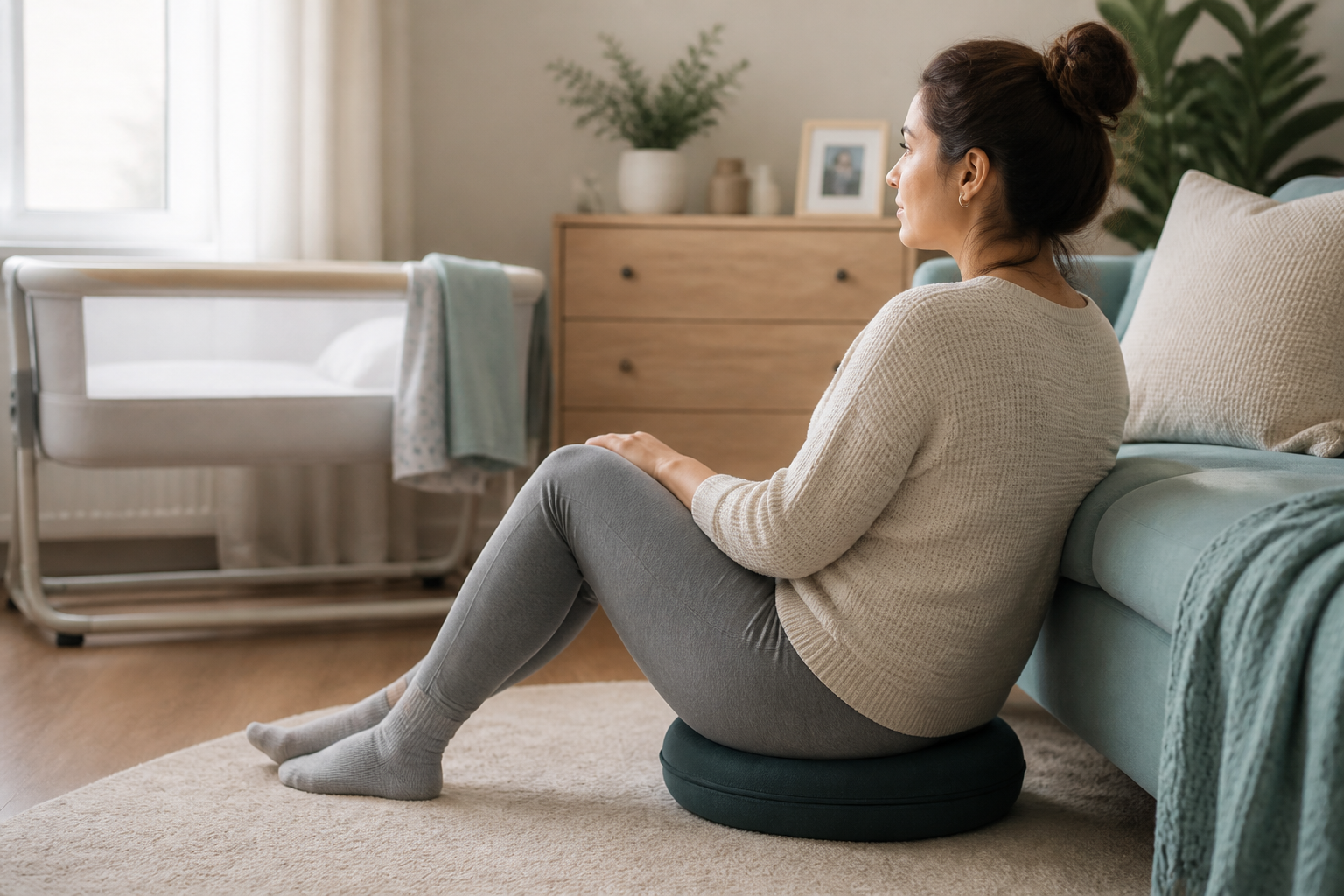
Coccyx pain (coccydynia) after vaginal delivery affects 10–20% of women and is one of the most underreported postpartum conditions. Most cases resolve within 6–12 weeks, but without proper treatment, up to 12% of women still experience symptoms at 12 months postpartum.
If you are dealing with tailbone pain after giving birth, you are not imagining it — and you do not have to just push through it.
Table of Contents
- Why Childbirth Causes Coccyx Pain
- Symptoms to Recognise
- Recovery Timeline
- Treatment Options
- The Best Cushion for Postpartum Coccyx Pain
- Safe Exercises for Postpartum Coccyx Pain
- Breastfeeding with Coccyx Pain
- When to See a Doctor
- Frequently Asked Questions
Why Childbirth Causes Coccyx Pain
During vaginal delivery, the coccyx naturally moves backward to widen the pelvic outlet as the baby passes through. This is a normal, necessary movement — but it can cause injury in several ways:
1. Ligament and Joint Strain
The sacrococcygeal joint and surrounding ligaments are stretched significantly during delivery. Even without a fracture, this stretching can cause inflammation and pain that persists for weeks.
2. Coccyx Fracture or Displacement
In deliveries with large babies, prolonged pushing, forceps or ventouse use, or difficult delivery positions, the coccyx can fracture or become subluxed (partially dislocated).
3. Relaxin Effects
The hormone relaxin, which loosens ligaments throughout pregnancy to allow pelvic expansion, is still present in the weeks after delivery (particularly in breastfeeding women). Loose ligaments around the coccyx can cause hypermobility and instability that generates pain.
4. Epidural Anaesthesia
A 2006 study in Obstetrics & Gynecology found a higher incidence of coccyx injuries in deliveries with epidural anaesthesia — because reduced sensation can lead women to push in positions that place excessive force on the coccyx without the natural feedback of pain.
Symptoms to Recognise
Postpartum coccyx pain typically presents as:
- Aching or sharp pain at the base of the spine when sitting, especially on hard surfaces
- Pain when transitioning from sitting to standing (the "stand-up wince")
- Discomfort during bowel movements
- Pain during sexual intercourse (often starting from 6–8 weeks postpartum when cleared for sex)
- Difficulty finding a comfortable feeding position
- Tenderness to touch over the tailbone
Less common but important:
- Pain radiating into the buttocks or upper thighs
- Sensations of the tailbone "catching" or shifting during movement
Recovery Timeline
| Phase | Duration | What to Expect |
|---|---|---|
| Acute phase | 0–4 weeks | Significant pain, especially on sitting; focus on offloading pressure |
| Sub-acute phase | 4–8 weeks | Pain begins to reduce; physiotherapy most effective here |
| Healing phase | 8–12 weeks | Most women experience significant improvement |
| Full recovery | 12–16 weeks | For most women without fracture |
| Prolonged recovery | 6–12 months | Fracture cases or those with chronic pain patterns |
Research in the Journal of Back and Musculoskeletal Rehabilitation (2017) found that early physiotherapy intervention is associated with significantly shorter recovery times.
Treatment Options
1. Coccyx Cushion (Most Important)
A quality cushion with a U-shaped rear cutout is the first and most important intervention. It eliminates direct pressure on the tailbone during all sitting activities — feeding, working, driving, dining.
What to look for:
- Deep U-shaped or wedge cutout at the rear
- High-density memory foam that does not bottom out
- Minimum 3 inches thick
- Washable cover
2. Ice and Heat
First 72 hours: Apply ice (wrapped in a thin cloth) to the coccyx area for 15 minutes, 3–4 times daily. Reduces acute inflammation.
After 72 hours: Switch to gentle heat (heat pack, warm bath) to relax surrounding muscles.
3. Pain Management
NSAIDs (ibuprofen, naproxen) are effective for inflammation. Discuss with your doctor or midwife if breastfeeding — ibuprofen is generally considered safe in small doses for breastfeeding mothers, but your prescriber should advise.
Paracetamol is safe for breastfeeding and provides adequate pain relief for mild to moderate cases.
4. Physiotherapy
A pelvic floor physiotherapist can:
- Perform external or internal coccyx mobilisation to realign displaced joints
- Assess and treat pelvic floor tension that contributes to coccyx pain
- Guide you through targeted exercises
- Provide manual therapy to reduce soft tissue adhesions
Studies show manual coccyx manipulation is effective in 60–70% of chronic postpartum coccydynia cases.
5. Chiropractic or Osteopathy
Manual therapists with experience in postpartum pelvic care can perform coccyx manipulation to realign displacement. Ensure your practitioner has specific experience with postpartum patients, as pelvic ligaments remain lax for several months after delivery.
The Best Cushion for Postpartum Coccyx Pain
Top picks for postpartum use:
Everlasting Comfort Seat Cushion — Our top recommendation for postpartum coccyx pain. High-density foam that does not bottom out during long feeding sessions, deep cutout, and a washable cover essential for postpartum life.
ComfiLife Gel Enhanced Seat Cushion — Excellent for warmer climates or if you find standard foam cushions get uncomfortably warm. The gel layer keeps you cooler during extended breastfeeding sessions.
Putnams Coccyx Wedge — The wedge shape helps with pelvic floor rehabilitation by promoting anterior pelvic tilt. Widely used by NHS physiotherapists for postpartum coccyx pain.
Practical tip: Have one cushion for your feeding chair and a second for the car. Carrying a cushion between locations becomes impractical very quickly.
Safe Exercises for Postpartum Coccyx Pain
These exercises are generally safe for postpartum coccyx pain. Stop immediately if any exercise increases your pain.
Always clear exercise with your midwife or GP before starting, especially in the first 6 weeks.
1. Pelvic Floor Relaxation
Contrary to instinct, the pelvic floor can be too tense after childbirth. Practice gentle relaxation of the pelvic floor muscles — consciously letting go of any holding tension in the perineal area. Hold the relaxation for 5–10 seconds, then gently contract. Repeat 10 times.
2. Pelvic Tilt (Lying)
Lie on your back (safe for first 6 weeks postpartum with coccyx pain). Gently tilt your pelvis so your lower back presses lightly into the floor, then release. 10 repetitions. Mobilises the sacrococcygeal joint without stress.
3. Knee-to-Chest Stretch
Lie on your back. Gently draw one knee toward your chest, holding your shin or thigh. Hold 20–30 seconds. Releases tension in the gluteus maximus and piriformis that contributes to coccyx pain.
4. Side-Lying Piriformis Stretch
Lie on your unaffected side. Cross the top knee over and let it fall toward the floor. Hold 30 seconds. Particularly effective for releasing the piriformis muscle which directly influences sacrococcygeal tension.
5. Gentle Walking
Short, regular walks improve circulation to the healing tissues and maintain overall mobility without stressing the coccyx.
Breastfeeding with Coccyx Pain
Breastfeeding itself does not worsen coccyx pain — but the positions involved can.
Tips for feeding with coccyx pain:
- Always use your coccyx cushion when seated to feed
- Use a nursing pillow (Boppy, ErgoBrought) to elevate the baby — this reduces the time you spend leaning forward, which shifts weight onto the coccyx
- Experiment with side-lying feeding position — this completely removes sitting pressure from the equation and is recommended by most lactation consultants for postpartum coccyx pain
- Avoid cross-legged floor sitting — this compresses the coccyx
When to See a Doctor
See your GP, midwife, or pelvic physiotherapist if:
- Your coccyx pain has not improved after 8 weeks postpartum
- Pain is worsening rather than improving
- Pain is severe enough to interfere with caring for your baby or daily activities
- You experience numbness or tingling in the legs, buttocks, or perineum
- You notice any changes in bowel or bladder function
- Pain during sex is significant (beyond mild initial discomfort)
Frequently Asked Questions
How long does coccyx pain last after childbirth? Most postpartum coccyx pain resolves within 6–12 weeks as soft tissues heal. If the coccyx was fractured or significantly displaced, recovery can take 6–12 months. Early physiotherapy intervention is associated with shorter recovery times.
Is coccyx pain normal after giving birth? Yes. Research estimates 10–20% of women experience some degree of tailbone pain after vaginal delivery. It is common but underreported — many women assume it is just part of normal postpartum recovery and do not seek treatment.
Can breastfeeding make coccyx pain worse? Breastfeeding itself does not directly worsen coccyx pain. The positions involved in feeding can aggravate it. Using a coccyx cushion and a nursing pillow significantly reduces this.
Should I see a doctor for tailbone pain after childbirth? Yes, if pain has not improved after 8 weeks, is worsening, is severe enough to affect daily activities, or is accompanied by neurological symptoms. A pelvic floor physiotherapist is often the most appropriate first referral.
Does an epidural cause coccyx pain? An epidural does not directly cause coccyx pain, but it may contribute indirectly by reducing sensation and allowing pushing in positions that place excessive force on the coccyx without the natural feedback of warning pain.