Guide
Physiotherapy for Coccyx Pain (2026)
By Coccyx Relief Editorial Team · Updated 2026-07-21
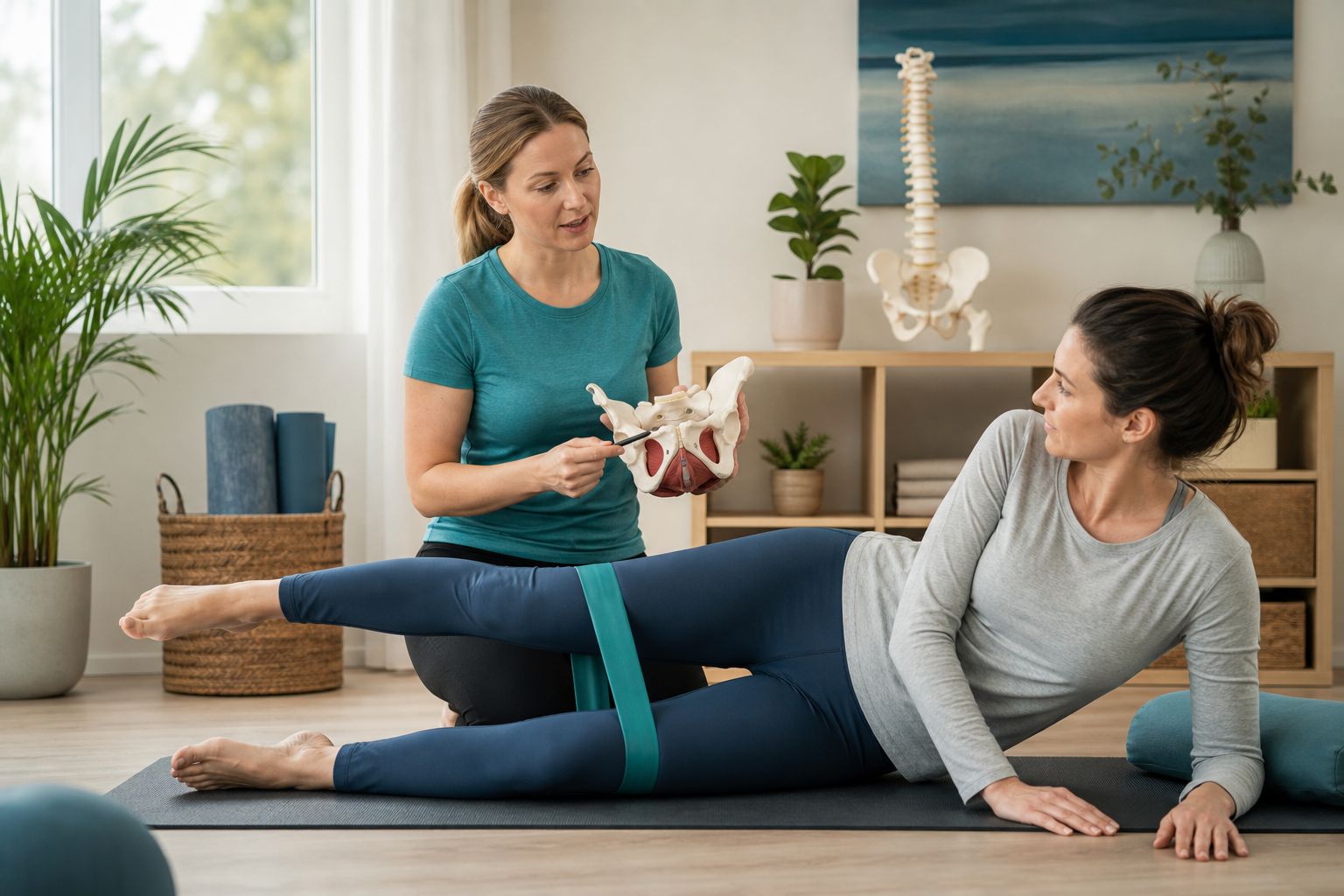
Physiotherapy for coccyx pain (coccydynia) is the first-line clinical treatment for persistent tailbone pain that does not resolve with cushions and home care alone. A specialist pelvic floor physiotherapist uses internal and external manual therapy techniques to release hypertonic pelvic floor muscles, mobilisation of the sacrococcygeal joint, and neuromuscular re-education to retrain normal sitting posture. Most patients require 6–12 sessions over 8–16 weeks to achieve meaningful improvement. The techniques used — including internal coccygeal release, pelvic floor manual therapy, and postural biofeedback — are not performed by general physiotherapists; they require a specialist with post-graduate training in pelvic floor or obstetric physiotherapy.
By Rachel, Health & Wellness Writer · Last updated July 2026
The Coccyx Relief System: Everything You Need in One Place
Exercises, ergonomic setups, stretches, and a complete daily program. 30+ pages, instant download.
Get My Coccyx Relief SystemInstant download • 30-day money-back guarantee
Table of Contents
- When to See a Physiotherapist for Coccyx Pain
- What Happens in a Coccyx Pain Physiotherapy Session
- The Main Physiotherapy Techniques for Coccyx Pain
- Internal vs External Coccyx Release: What to Expect
- Postural Retraining and Ergonomic Correction
- How Many Sessions Are Needed?
- What If Physiotherapy Doesn't Work?
- Physiotherapy Equipment for Home Use
- Frequently Asked Questions
- Sources and Methodology
When to See a Physiotherapist for Coccyx Pain
You should seek a pelvic floor physiotherapist for coccyx pain when:
- Pain persists beyond 6–8 weeks despite conservative home treatment (coccyx cushion, sitz baths, topical analgesics)
- Pain is severe enough to limit activities of daily living — you are avoiding sitting, working, or social activities
- Pain started after childbirth — particularly forceps or vacuum-assisted delivery, or prolonged second-stage pushing
- Pain started after a fall or direct trauma to the tailbone — even if X-ray shows no fracture
- Pain worsens with bowel movements and is associated with constipation or pelvic floor dysfunction
- You are pregnant or postpartum and coccyx pain is interfering with recovery
- A previous course of home treatment helped temporarily but symptoms recurred when treatment stopped
The appropriate specialist is a pelvic floor physiotherapist or obstetric and gynaecological physiotherapist — not a general musculoskeletal physiotherapist. Pelvic floor physiotherapy requires additional post-graduate training beyond standard physiotherapy education.
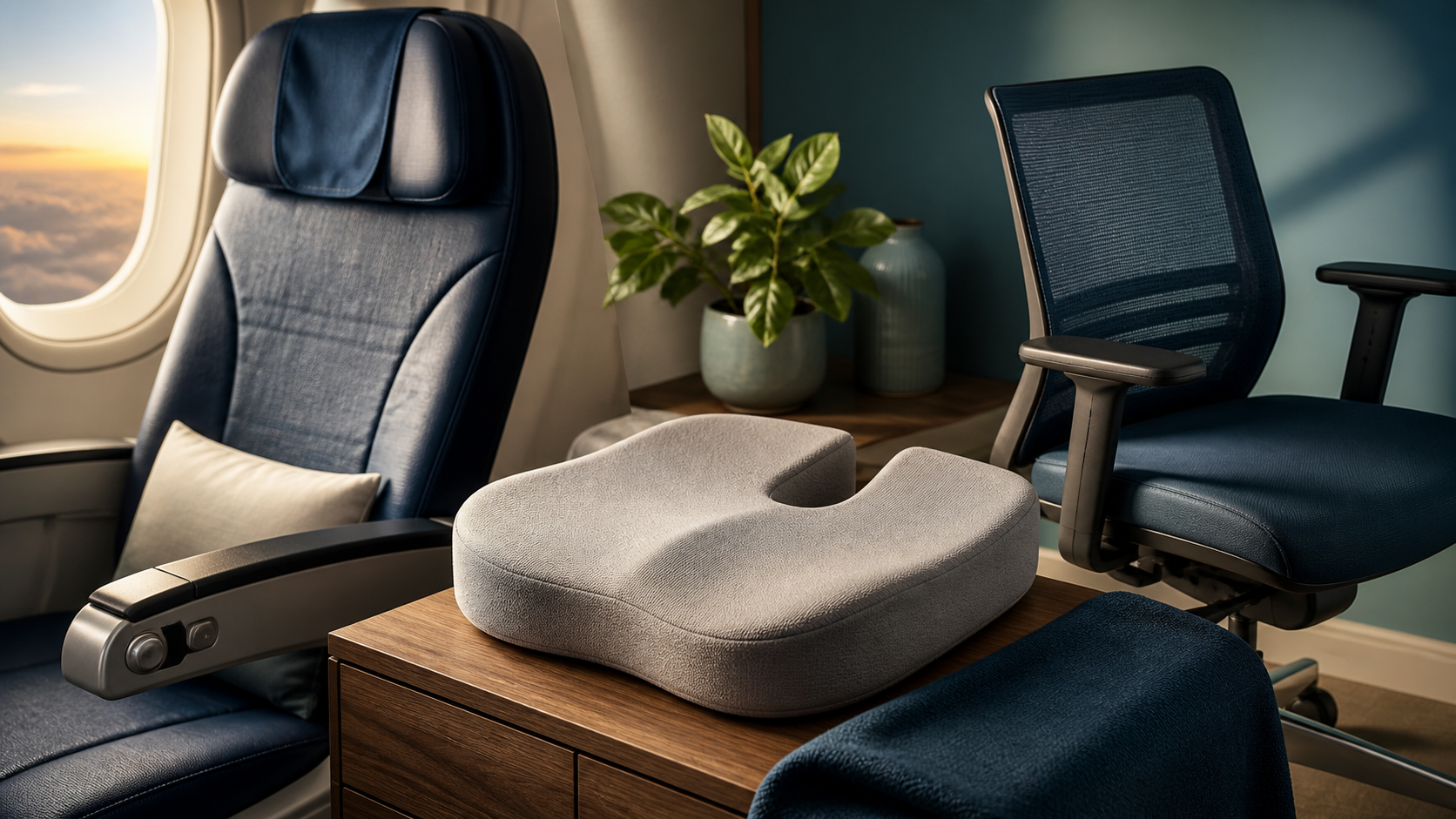 Conservative home care first (6–8 weeks) → Pelvic floor physiotherapy (6–12 sessions) → Medical specialist referral (injections or surgery) for refractory cases.
What Happens in a Coccyx Pain Physiotherapy Session
Initial Assessment (Session 1)
The first session is an assessment. Expect:
Medical history review:
- Detailed history of your coccyx pain: when it started, what makes it better or worse, what treatments you have tried
- Obstetric history (for women): pregnancies, deliveries, perineal trauma
- Bowel and bladder function history
- History of pelvic surgery, radiation, or trauma
- Current medications
Physical examination:
- Postural assessment: standing, sitting, walking
- Observation of the sacrococcygeal region for visible abnormalities, bruising, or skin changes
- External palpation of the gluteal muscles, sacrum, and coccyx
- External assessment of pelvic floor muscle tone and trigger points
- Internal examination (if indicated and with patient consent): assessment of the pelvic floor muscles through the vaginal or rectal canal, evaluation of sacrococcygeal joint mobility
The internal examination is a standard part of pelvic floor physiotherapy assessment. It is performed with a gloved finger, with the patient lying on their side in a private setting. You have the right to decline any internal examination — inform your physiotherapist and an external-only approach can be used instead.
Functional assessment:
- Observation of how you sit on the examination table — weight distribution, posture
- Assessment of hip and lumbar spine range of motion
- Functional movement screening
Based on the assessment, your physiotherapist will develop an individualised treatment plan and explain the expected number of sessions, techniques to be used, and prognosis.
Subsequent Sessions (Sessions 2–12)
Treatment sessions typically last 45–60 minutes. Treatment techniques are described in the sections below.
The Main Physiotherapy Techniques for Coccyx Pain
1. Internal Pelvic Floor Release
The primary technique for coccyx pain with a pelvic floor component. The physiotherapist inserts a gloved finger into the vagina or rectum (depending on patient gender and preference) and palpates the pelvic floor muscles — specifically the levator ani, obturator internus, and coccygeus.
In coccyx pain patients, these muscles are frequently hypertonic (chronically contracted) and contain trigger points (localised knots of muscle fibre that refer pain). The physiotherapist applies sustained pressure to these trigger points until they release (typically 30–90 seconds per point).
This technique directly addresses the muscle-generated component of coccyx pain that cushions, topical products, and even external therapy cannot reach. Research published in the Journal of Bodywork and Movement Therapies shows significant pain reduction with internal pelvic floor release in patients with chronic coccydynia.
Internal release targets the pelvic floor muscles (levator ani, obturator internus) that attach to and pull on the coccyx, causing pain when in chronic spasm.
2. External Coccyx and Sacrococcygeal Joint Mobilisation
The physiotherapist uses external manual techniques to assess and improve the mobility of the sacrococcygeal joint. Using their thumbs on the posterior coccyx, the physiotherapist applies gentle traction (pulling) and mobilisation (graded glides) to the joint to assess its range of motion and address hypomobility (stiffness).
For hypermobile (excessively mobile) coccyx — common in pregnancy — the mobilisation technique is different: the goal is to teach the joint to move within a pain-free range rather than mobilise a stiff joint.
3. Myofascial Release of the Gluteal and Hip Muscles
The gluteus maximus and hip external rotators (piriformis, gemelli, obturator internus) are functionally connected to the pelvic floor and coccyx. Chronic sitting and poor posture cause these muscles to develop trigger points that refer pain to the coccyx region. External myofascial release techniques applied to these muscles reduce referred coccyx pain.
4. Trigger Point Release
Trigger points in the gluteus maximus, rectus abdominis, and hip adductors can all refer pain to the coccyx region. The physiotherapist locates these trigger points (often through referred pain patterns — pressing a trigger point reproduces your specific pain) and applies sustained pressure or dry needling to release them.
Dry needling — thin acupuncture needles inserted into the trigger point — is used by some pelvic floor physiotherapists and can be more effective than manual pressure for deep trigger points.
5. Biofeedback Training
Biofeedback uses a small sensor (inserted rectally or placed on the perineum) that displays pelvic floor muscle activity on a screen. This allows the patient to SEE whether their pelvic floor muscles are contracting or relaxing — most patients with pelvic floor dysfunction cannot accurately sense their own muscle state.
Biofeedback training teaches patients to consciously relax an overactive pelvic floor, which is the primary goal of coccyx pain physiotherapy. A course of 6 biofeedback sessions, combined with home exercises, typically produces measurable improvement.
6. Neuromuscular Electrical Stimulation (NMES)
NMES uses a small electrical current (applied through surface electrodes or an internal probe) to stimulate the pelvic floor muscles to contract and relax in a controlled pattern. For coccyx pain with significant pelvic floor hypertonicity, NMES can help "reset" the muscle's resting tone to normal levels.
NMES is typically used in conjunction with biofeedback and manual therapy, not as a standalone treatment.
Internal vs External Coccyx Release: What to Expect
External-Only Approach
For patients who decline internal examination or treatment, an external-only approach is possible but generally less effective. External techniques include:
- Thoracic and lumbar spine mobilisation (to address compensatory postural patterns)
- Hip muscle release (gluteus maximus, piriformis, external rotators)
- Sacral traction techniques
- External trigger point release of the pelvic floor via the gluteal fascia
External-only treatment typically requires more sessions and may not fully resolve coccyx pain with a significant pelvic floor component. Discuss with your physiotherapist whether an internal approach is indicated for your specific case.
Internal Approach
The internal approach is considered the gold standard for coccyx pain with a pelvic floor component. If your physiotherapist recommends internal release, here is what to expect:
Evidence note: This comparison uses manufacturer specifications, published research, and independently reported owner feedback. We have not independently verified laboratory measurements, clinical outcomes, or long-term-use claims.
Prefer a Structured Recovery Plan? Review the System
Use a step-by-step plan with exercises, setup guidance, and clear pacing prompts.
Get My Coccyx Relief SystemInstant download • 30-day money-back guarantee
Postural Retraining and Ergonomic Correction
Physiotherapy for coccyx pain does not end with manual therapy. A critical component is correcting the postural and ergonomic habits that contributed to the pain in the first place.
Sitting Posture Retraining
Many coccyx pain patients sit with excessive posterior pelvic tilt (rocking the pelvis backward, flattening the lower back), which pushes the coccyx into the seat. Your physiotherapist will teach you neutral pelvic alignment:
- Sit on your sit bones (ischial tuberosities), not your tailbone
- Maintain a slight natural lumbar curve
- Keep your feet flat on the floor (not dangling)
- Shoulders over hips, ears over shoulders
This retraining is practiced first in the clinic, then reinforced with a home programme. Patients with severe pain may need 4–6 weeks of conscious posture correction before neutral sitting becomes automatic.
Workplace Ergonomic Assessment
Your physiotherapist will assess your workstation and recommend adjustments:
- Chair height and depth relative to desk
- Monitor height and distance
- Use of a lumbar roll in addition to a coccyx cushion
- Standing desk or alternating sit-stand protocol
- Frequency of movement breaks
For a complete workplace setup guide, see our article on office ergonomics for coccyx pain relief.
Hip Flexor and Hamstring Lengthening
Tight hip flexors (iliopsoas) and hamstrings contribute to posterior pelvic tilt and coccyx pain. Your physiotherapist will prescribe stretching exercises for these muscle groups to reduce the mechanical forces pulling the pelvis into a painful position.
How Many Sessions Are Needed?
The evidence base for physiotherapy treatment duration in coccydynia:
- Acute coccyx pain (under 6 weeks): 4–6 sessions may be sufficient
- Subacute coccyx pain (6–12 weeks): 6–10 sessions over 8–12 weeks
- Chronic coccyx pain (over 12 weeks): 8–16 sessions over 12–24 weeks
Expected outcomes with a full course of pelvic floor physiotherapy for coccydynia:
- 50–70% pain reduction in approximately 70–80% of patients (based on clinical outcome data)
- Improvement in sitting tolerance from 10–15 minutes to 45–60 minutes within 4–6 weeks
- Reduction in oral pain medication use
If meaningful improvement is not observed within 8 sessions, your physiotherapist should reassess the treatment plan or refer you to a pain specialist or colorectal surgeon.
What If Physiotherapy Doesn't Work?
When a full course of conservative physiotherapy (6–16 sessions) does not achieve satisfactory pain relief, the next step is medical specialist referral.
Injection Therapies
Ganglion impar block: A radiologically-guided injection of local anaesthetic and steroid into the ganglion impar (a nerve cluster at the front of the coccyx) interrupts pain signals from the coccyx to the brain. Success rate: approximately 50–70% for temporary relief (weeks to months), with some patients receiving permanent relief from a single injection.
Corticosteroid injection: Into the sacrococcygeal joint under X-ray or ultrasound guidance. Reduces inflammation at the joint itself. Typically provides 4–8 weeks of relief. Can be repeated up to 3 times per year.
Platelet-rich plasma (PRP) injection: An emerging treatment where the patient's own platelet-rich plasma is injected into the damaged sacrococcygeal joint or ligament. Early evidence suggests longer-lasting benefit than steroid injections, though data is still limited.
Surgical Referral: Coccygectomy
For coccyx pain that is definitively caused by an abnormal, unstable, or damaged coccyx (confirmed by dynamic X-ray and MRI), partial or total coccygectomy — surgical removal of part or all of the coccyx — is the last resort.
Coccygectomy outcomes: Approximately 60–85% of patients experience meaningful pain relief. Recovery involves 3–6 months of restricted sitting and activity modification. Risks include wound infection, persistent pain at the surgical site, and variable outcomes.
For our complete article on surgical options for coccyx pain, see our article on [when to consider coccygectomy surgery] (internal cross-link pending clinical review).
Physiotherapy Equipment for Home Use
Between physiotherapy sessions, your therapist may recommend home use of the following:
Yoga Mat
For floor-based stretching and pelvic floor relaxation exercises. The Manduka PRO Yoga Mat is the professional standard for durability and support.
Amazon: Manduka PRO Yoga Mat
Trigger Point Ball (Lacrosse Ball or梨球)
For self-massage of gluteal and hip trigger points between sessions. A lacrosse ball is firm enough to penetrate deep muscle tissue without being as aggressive as a hard rubber ball.
Amazon: Trigger Point Techniques Lacrosse Ball Set
Resistance Band
For hip strengthening and hip flexor stretching exercises prescribed by the physiotherapist.
Amazon: TheraBand CLX Resistance Band Set
Pelvic Floor Muscle Trainer (Kegel Device)
For biofeedback-style home training if your physiotherapist recommends it. The Elvie Pelvic Floor Trainer provides visual biofeedback on a smartphone app.
Amazon: Elvie Pelvic Floor Trainer
For home coccyx cushion support during the physiotherapy period, see our buying guides for cushions suited to your specific use case: office cushions, car cushions, and pregnancy cushions.
Frequently Asked Questions
Does internal coccyx release hurt?
The internal release technique should not be painful, though it can feel intense — a deep stretching or firm pressure sensation in the pelvic floor muscles. If you experience sharp pain, inform your physiotherapist immediately. After the session, mild discomfort or aching for 24–48 hours is normal. Significant pain after a session is not normal and should be reported.
Can I see a general physiotherapist for coccyx pain instead of a specialist?
You can, but a general physiotherapist may not have the training to perform internal pelvic floor release or assess for pelvic floor dysfunction — the core interventions for coccyx pain. Ask the physiotherapist specifically about their training and experience with pelvic floor coccydynia before booking. The National Pelvic Floor Society and the Academy of Pelvic Health Physical Therapy (APTA) maintain directories of qualified pelvic floor physiotherapists.
How long does it take for physiotherapy to work for coccyx pain?
Most patients notice meaningful improvement within 3–4 sessions (3–4 weeks). If no improvement is observed by session 6, discuss alternative approaches with your therapist. Full resolution or maximum achievable improvement typically occurs by session 10–12.
Is physiotherapy for coccyx pain covered by insurance?
In most US health insurance plans, physiotherapy is covered under the same benefits as other physiotherapy conditions. A physician referral may be required. Check with your insurance provider regarding copays, visit limits, and whether a referral is required.
Can men get coccyx pain physiotherapy?
Yes. Men experience coccyx pain (coccydynia) from falls, cycling, prolonged sitting, and pelvic floor dysfunction just as women do. The internal pelvic floor release technique in men is performed rectally. Many pelvic floor physiotherapists treat both men and women.
Should I do exercises at home between physiotherapy sessions?
Yes. Your physiotherapist will prescribe a specific home exercise programme including stretching, strengthening, and postural correction exercises. Consistency with the home programme significantly affects outcomes — studies show patients who complete their home exercises have better outcomes than those who rely solely on in-clinic treatment.
Sources and Methodology
-
Journal of Bodywork and Movement Therapies — clinical trial on internal pelvic floor release for chronic coccydynia.
-
Academy of Pelvic Health Physical Therapy (APTA) — clinical practice guidelines for pelvic floor muscle assessment and treatment.
-
Cochrane Database of Systematic Reviews — evidence for physiotherapy interventions in chronic pelvic pain.
-
British Journal of Radiology — clinical studies on ganglion impar block efficacy for coccydynia.
-
International Urogynecology Journal — evidence base for pelvic floor physiotherapy in obstetric-related pelvic pain.
-
American Physical Therapy Association — scope of practice guidelines for pelvic floor physiotherapy.
Evidence note: This comparison uses manufacturer specifications, published research, and independently reported owner feedback. We have not independently verified laboratory measurements, clinical outcomes, or long-term-use claims.
This article was last updated July 2026.
Review the Coccyx Relief System
Review 30+ pages of exercises, practical methods, pacing guidance, and a structured daily plan.
Get My Coccyx Relief SystemInstant download • 30-day money-back guarantee