Coccyx Pain
Post-Coccygectomy Recovery After Tailbone Surgery (2026)
By Coccyx Relief Editorial Team · Updated 2026-07-20
Last updated: July 2026
Coccygectomy recovery usually takes 3 to 6 months and is often tougher than patients expect. This guide explains hospital recovery, wound care, pain control, sitting limits, rehab milestones, and common setbacks after tailbone removal surgery so you can plan for the first weeks and know when healing is on track.
Table of Contents
- What Is Coccygectomy and Who Needs It?
- Pre-Surgery Checklist: Preparing Your Recovery Environment
- Hospital Stay and the First 48 Hours
- Managing Post-Surgical Pain
- Wound Care After Coccygectomy
- Phases of Recovery: Week by Week
- Complications: What to Watch For
- Coccygectomy vs. Conservative Treatment: Comparison
- Real Patient Outcomes and Satisfaction Rates
- Frequently Asked Questions
- Sources & Methodology

What Is Coccygectomy and Who Needs It?
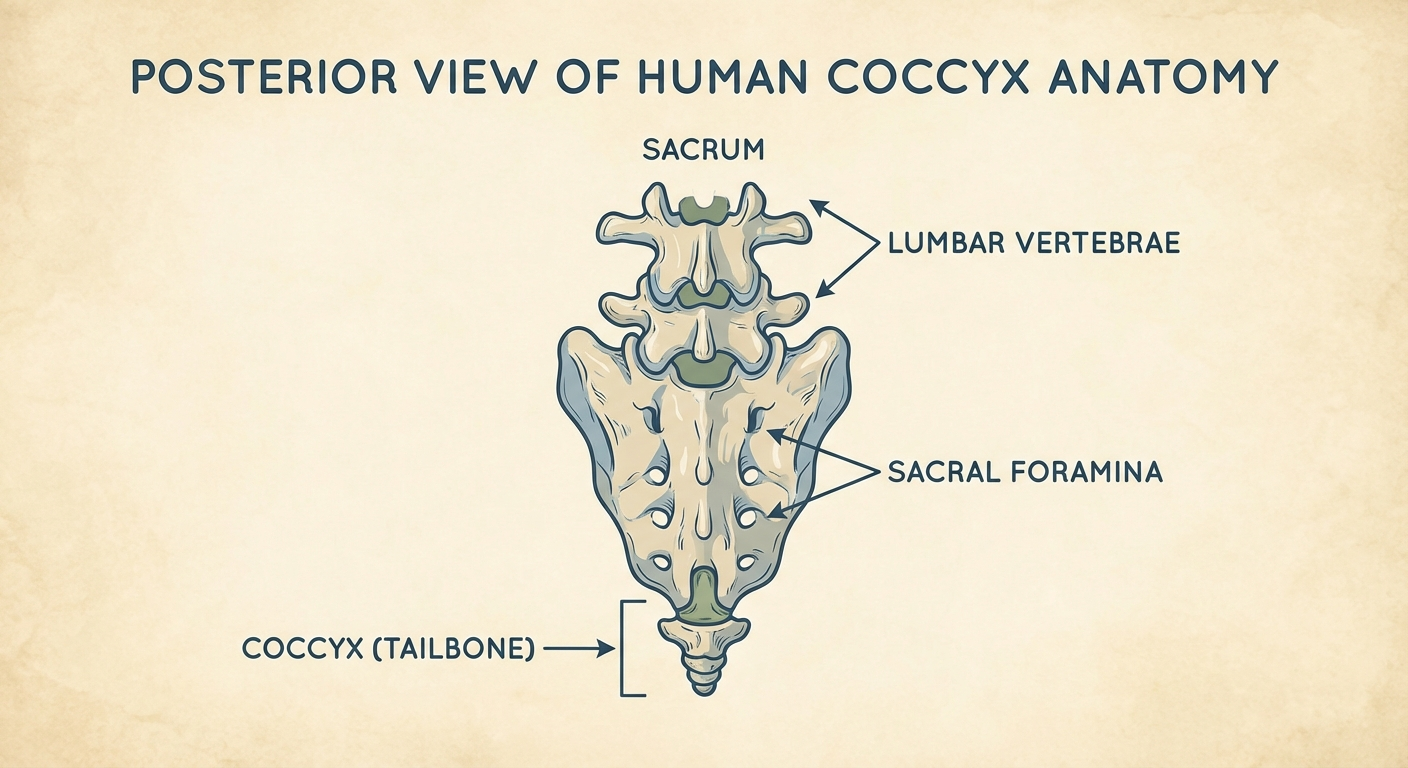
Coccygectomy is the surgical removal of the coccyx — the small triangular bone at the very base of the spine, formed of 3 to 5 fused vertebrae. The procedure is performed under general anesthesia, typically by a colorectal surgeon or orthopedic spine specialist, and involves removing the damaged or painful portion of the coccyx through a small incision directly over the bone.
The surgery is considered only after conservative treatments have failed over a period of typically 6 to 12 months. According to the American Society of Colon and Rectal Surgeons (ASCRS), candidates for coccygectomy generally include patients with:
- Chronic idiopathic coccygodynia (tailbone pain without an identified structural cause) that has persisted for more than 6 months
- Confirmed coccyx fracture or dislocation that has not healed with conservative management
- Coccyx instability or hypermobility (excessive movement at the sacrococcygeal joint)
- Space-occupying lesions such as pilonidal disease or chordoma affecting the coccyx
- Severe, disabling pain that significantly impairs sitting, sleeping, and daily activities
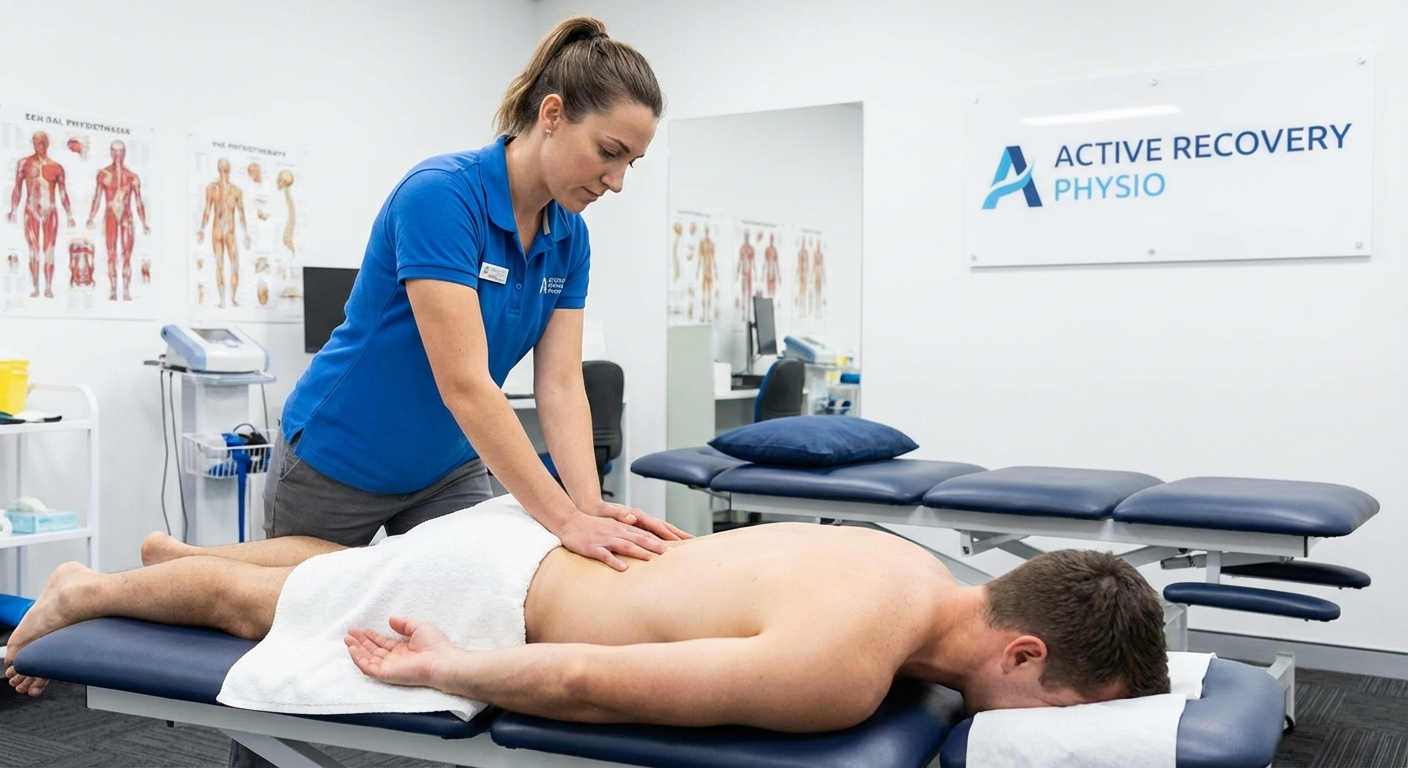
Important pre-surgical consideration: Not all tailbone pain originates from the coccyx itself. Research published in the Journal of Pelvic Medicine and Surgery indicates that overlapping conditions — including levator ani syndrome (a pelvic floor muscle spasm disorder), piriformis syndrome, referred lumbar pain, and sacroiliac joint dysfunction — can produce pain that mimics coccygodynia. A thorough pre-operative assessment including MRI, dynamic X-rays, and specialist evaluation is essential before committing to surgery.
For patients with overlapping sciatic nerve symptoms — such as burning leg pain, tingling down the back of the thigh, or pain radiating past the knee — reviewing sciatica diagnosis and treatment approaches at SciaticaSpot.com alongside a coccyx evaluation is worthwhile, as both conditions can coexist and share overlapping treatment pathways.
If you are uncertain whether your tailbone pain warrants surgical evaluation, our guide to when to see a doctor for coccyx pain covers the full diagnostic pathway.
Pre-Surgery Checklist: Preparing Your Recovery Environment
One of the most important determinants of a smooth recovery happens before you ever enter the operating room. Preparing your home environment for post-operative recovery significantly reduces complications and improves comfort during the most difficult weeks.
Your Post-Surgery Recovery Kit
The following items should be ready before your surgery date:
- Specialized coccyx cushion (U-shaped cutout design) for seated activities after the first few weeks — the Xtreme Comforts Large is frequently recommended by post-surgical patients for its deep cutout and high-density foam, which provides reliable coccyx offloading during the critical early sitting phase
- Wedge-shaped foam pillow to keep your torso elevated while sleeping, reducing pressure on the wound when lying on your back or side
- Grabber or reacher tool to avoid bending and twisting in the early weeks
- Loose-fitting clothing — anything tight-fitting around the waistband will be uncomfortable over the wound site
- Stool softener and high-fiber diet plan — bowel movements in the early post-operative period must be kept soft to avoid straining the surgical site; straining can disrupt healing and cause significant pain
- Portable bidet or peri bottle — keeping the area clean without wiping is critical for wound hygiene in the first weeks

Logistics to Arrange in Advance
- Arrange for 2 to 4 weeks of help at home, particularly if you have children or pets
- Prepare meals in advance or arrange meal delivery for the first 2 weeks
- Set up a comfortable recovery space on the ground floor if your bedroom is upstairs — you will not want to climb stairs frequently in the first week
- Notify your employer — most patients need 4 to 8 weeks off work depending on job type; see our full guide to coccyx pain relief without surgery for guidance on managing your recovery
Hospital Stay and the First 48 Hours
Length of Stay
Coccygectomy is most commonly performed as a day-surgery procedure, meaning most patients go home the same day. In some cases — particularly when the surgery was more complex, when bone removal was extensive, or when the patient has other medical comorbidities — an overnight stay may be recommended.
The procedure itself takes approximately 30 to 60 minutes. Patients are positioned prone (face-down) on the operating table, which requires specific anesthetic consideration. General anesthesia is standard, and the surgical incision is made directly over the coccyx, typically in the midline.

Immediately After Surgery
In the recovery room, patients are monitored until they are alert, stable, and able to urinate. The ability to pass urine is an important milestone — urinary retention is a known post-operative concern, particularly after pelvic and anorectal procedures, due to the effects of anesthesia and pain medications on bladder function.
Pain is typically most intense in the first 24 to 48 hours. A long-acting local anesthetic may be injected at the surgical site during the procedure to reduce immediate post-operative pain. Some surgeons also place a small drain at the surgical site to prevent fluid accumulation; this is usually removed within 24 to 48 hours.
First night at home: Most patients report that the first night is the worst. Having a comfortable surface to lie on (not too soft — you do not want to sink into a surface that presses against the wound) and prescribed pain medication on a strict schedule is essential. Set alarms through the night if necessary to stay ahead of the pain.
Managing Post-Surgical Pain
The Pain Management Protocol
Effective pain management is one of the most critical aspects of coccygectomy recovery. Poorly controlled pain impairs wound healing, delays mobilization, increases the risk of blood clots, and significantly worsens the patient experience.
A multimodal approach — combining multiple types of pain medication working through different mechanisms — is the current standard of care. A typical protocol includes:
NSAIDs (non-steroidal anti-inflammatory drugs) such as ibuprofen or naproxen are used around the clock for their anti-inflammatory and analgesic effects. These are typically started once the patient is eating and drinking normally.
Acetaminophen (paracetamol) is used concurrently with NSAIDs, as the two drug classes work synergistically and allow for lower doses of each compared to using either alone.
Opioid medications such as oxycodone, hydrocodone, or tramadol are prescribed for breakthrough pain in the first 1 to 2 weeks. The goal is to use the lowest effective dose for the shortest duration necessary — opioids are associated with constipation, sedation, and dependency when used for extended periods.
Gabapentin or pregabalin (medications originally developed for epilepsy but widely used for nerve pain) are increasingly prescribed post-coccygectomy because the surgery can irritate or damage small nerves in the area. These medications help manage neuropathic (nerve-based) pain that may persist after the acute healing phase.

Non-Pharmacological Pain Management
In addition to medications, several non-drug approaches can meaningfully reduce pain during recovery:
- Ice packs applied to the wound site (never directly on skin — always wrap in cloth) for 15 to 20 minutes several times daily reduces swelling and provides local anesthetic effect
- Positioning is critical — avoid sitting directly on the wound; use a coccyx cushion with a deep U-cutout once cleared to sit; lie on your side or stomach rather than flat on your back
- Diaphragmatic breathing exercises activate the parasympathetic nervous system and reduce the physiological stress response to pain; gentle breathing work is a core component of our tailbone pain relief exercises guide
- Gentle walking promotes circulation, reduces the risk of deep vein thrombosis, and supports overall healing — even short walks around the house starting the day after surgery
For patients whose tailbone pain had a significant neurological component before surgery, the same breathing and nervous system retraining techniques that helped in our personal coccyx story can continue to be valuable tools during post-surgical recovery.
Wound Care After Coccygectomy
The Healing Timeline
The surgical wound from coccygectomy typically closes within 2 to 3 weeks in most patients, but complete internal healing takes considerably longer. The surgical site involves soft tissue, fascia, and periosteum (the membrane covering bone), all of which heal at different rates.
External wound care protocol:
- First 48 hours: Keep the dressing dry and intact. Do not shower — sponge bath only.
- After 48 hours: Remove the outer dressing as directed by your surgeon. The inner sterile strips or glue should remain unless otherwise instructed.
- Days 3–14: Clean the wound gently with saline solution or mild soap and water when showering. Pat dry — do not rub. Replace dressings as directed (typically every 1 to 2 days).
- Weeks 2–6: Continue keeping the wound clean and dry. Watch for signs of delayed healing or infection.
- After 6 weeks: Most surgeons clear patients to submerge the wound in water (baths, pools) once healing is confirmed.
Signs of Infection
Contact your surgeon immediately if you notice any of the following:
- Wound redness spreading more than 1–2 cm beyond the wound edges
- Increasing warmth around the wound
- Swelling that is worsening rather than improving
- Yellow, green, or foul-smelling discharge
- Fever above 38°C (100.4°F)
- Chills or shaking
Surgical site infection after coccygectomy occurs in approximately 3–12% of cases according to published surgical series, making vigilance during the healing period essential.
Phases of Recovery: Week by Week
Weeks 1–2: Acute Healing Phase
The first two weeks are the most physically demanding period of coccygectomy recovery.
Pain level: Most patients rate this period as 6 to 8 out of 10 on most days, with pain peaks during position changes, dressing changes, and bowel movements. Strict adherence to prescribed pain medication on schedule — not "as needed" — keeps pain manageable.
Mobility: Walking is encouraged from day 1 but should be limited to short distances (around the house). Stairs should be minimized. Do not attempt to sit upright for the first several days — you will be cleared to try sitting with a coccyx cushion by your surgeon, but this is typically not before day 5 to 7 at the earliest.
Bowel function: This is a major concern for many patients. Anesthesia, opioids, and reduced mobility all contribute to constipation, which is painful and risky for the wound. Stool softeners should be started before leaving the hospital and continued throughout the opioid medication period. High-fiber diet and adequate fluid intake are essential.
Work: No work during this period. If you have a remote work arrangement, even working from bed is not recommended in week 1 due to the difficulty of finding a comfortable position.
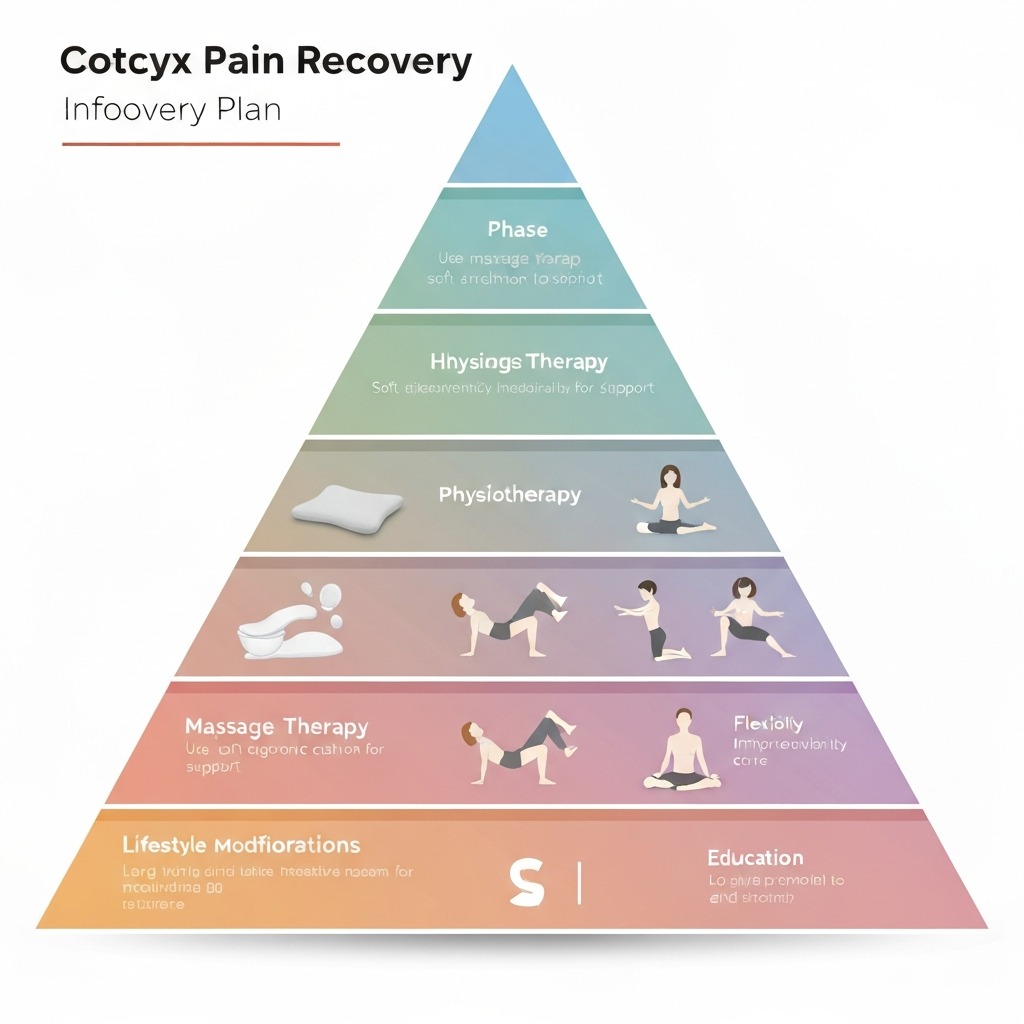
Weeks 3–6: Early Recovery Phase
Pain level: Typically decreasing to 3 to 5 out of 10 by week 3, with further improvement by week 4 to 6. Opioid medications are usually tapered or discontinued during this period. NSAIDs and acetaminophen are often sufficient by week 4.
Mobility: Walking distance can increase. Most patients are cleared to drive by week 3 or 4 if they are no longer taking opioids. Sitting tolerance begins to improve, but long sits (more than 20 to 30 minutes) are still challenging.
Wound healing: The wound should be visibly healing by week 3, with reduced redness and swelling. If surgical glue or strips were used, these may begin to loosen. By week 6, most patients show healthy pink tissue at the wound site.
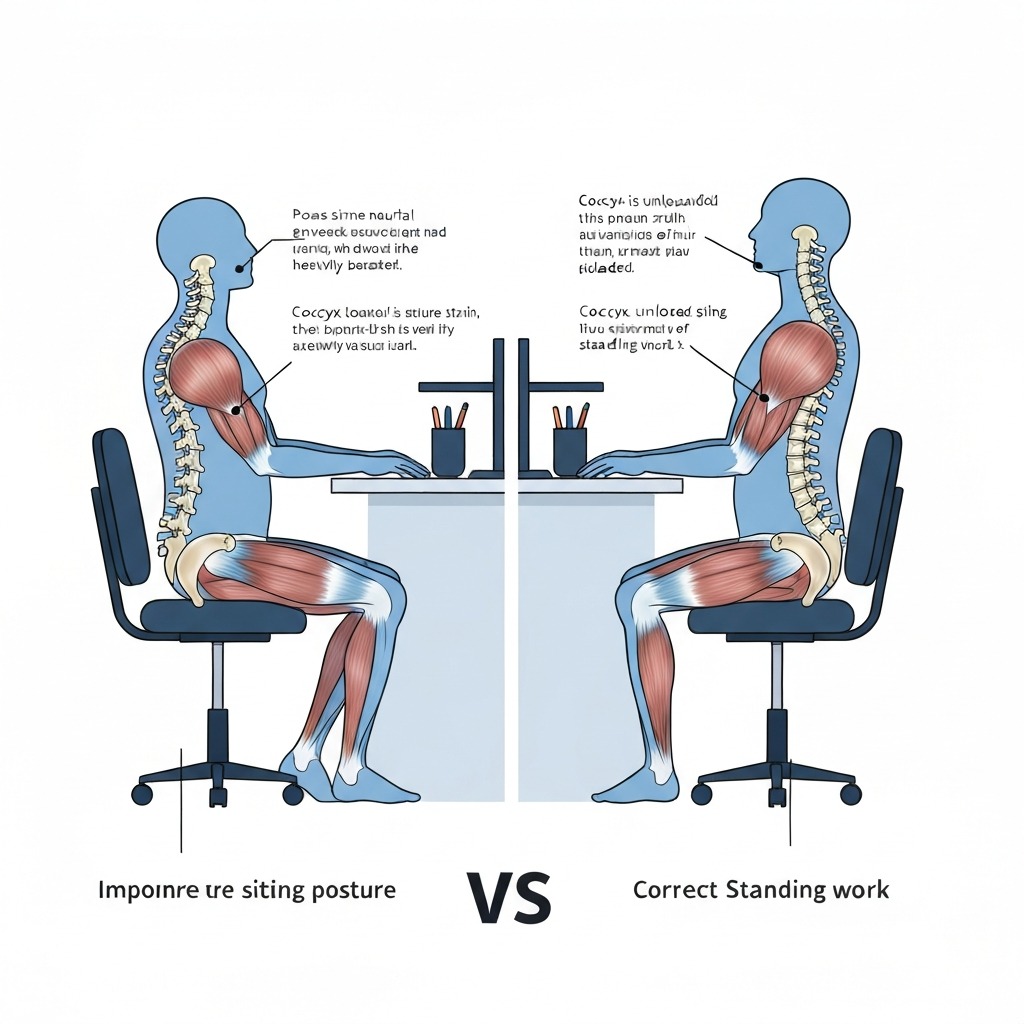
Return to sitting: This is a gradual process. Start with 10 to 15 minutes at a time using a coccyx cushion, then gradually extend as tolerated. If pain increases significantly after sitting, back off and try again after a few days.
Work: Sedentary workers may be cleared to return to work between weeks 4 and 6, often with accommodations (a coccyx cushion, the ability to stand and stretch regularly). Physical workers typically need the full 6 weeks minimum.
Weeks 6–12: Intermediate Rehabilitation
Pain level: Most patients report 2 to 3 out of 10 by the end of week 8. Nerve-related discomfort — burning, tingling, or sensitivity — may persist and can take several months to fully resolve.
Mobility: Most normal daily activities are possible by this phase. Light exercise (walking, swimming — once fully cleared) is encouraged. Running and high-impact exercise may be reintroduced gradually if cleared by the surgeon.
Sitting: Many patients can sit for 45 to 60 minutes comfortably by week 8 to 10 with proper cushioning. Full sitting tolerance (2+ hours) typically returns between 3 and 4 months.
Scar tissue: Internal scar tissue formation is a normal part of healing. This scar tissue can occasionally become a source of discomfort in the months following surgery. Gentle massage of the surrounding tissue (never directly on the healing wound) as directed by a physiotherapist can help minimize problematic scar tissue.
Months 3–6: Full Recovery and Return to Normal Life
Pain level: Most patients have settled at their long-term baseline by month 4 to 6. If pain was primarily coming from the coccyx itself, significant and lasting improvement is expected. Some patients report continued improvement through month 12 as scar tissue fully matures.
Sitting: Full sitting tolerance, including long car trips and air travel, is typically achieved by 4 to 6 months for most patients. Some may continue to benefit from coccyx cushion use in certain situations (long drives, office chairs without adequate support).
Return to exercise and sport: Athletes and physical laborers typically return to full pre-surgery activity levels by month 4 to 6, depending on the sport and the nature of the work. Contact sports and heavy lifting may require 6 months or longer.
Final outcome assessment: Most surgeons assess surgical success at the 6-month mark. The criteria for a successful outcome are typically defined as at least 50% reduction in pain scores compared to pre-surgery baseline, with improved sitting tolerance and functional capacity.
Complications: What to Watch For
While coccygectomy is considered a safe and effective procedure for appropriately selected patients, it carries meaningful risks that every candidate should understand before proceeding.
Surgical Site Infection
As noted above, infection occurs in a minority of cases (3–12% across published series). Most infections are superficial and respond to oral antibiotics, but deep surgical site infections require intravenous antibiotics and possibly surgical debridement (removal of infected tissue).
Wound Dehiscence
Wound dehiscence — the reopening of the surgical incision — can occur, particularly if the patient strains, sits improperly, or experiences a fall during the early healing phase. Minor dehiscence can be managed conservatively with dressing changes; significant dehiscence may require secondary closure under local anesthetic.
Persistent Pain
The most significant risk from the patient's perspective is that pain may persist or recur even after the coccyx is removed. Published success rates for coccygectomy vary considerably in the medical literature, with pain relief rates ranging from approximately 50% to 90% depending on the series and how success is defined. The wide range reflects differences in patient selection, surgical technique, and outcome definitions across studies.
Nerve Injury
The small nerves in the sacrococcygeal area — including the bilateral dorsal rami of the coccygeal spinal nerves — can be injured during surgery or affected by scar tissue formation post-operatively. This can result in chronic neuropathic pain in the perineal region, which may be difficult to treat.
Perineal Skin Complications
The skin in the sacrococcygeal area is subject to significant tension during sitting and movement. Skin complications including delayed healing, skin edge separation, and, rarely, skin necrosis have been reported.
Coccygectomy vs. Conservative Treatment: Comparison
| Factor | Coccygectomy (Surgery) | Conservative Management |
|---|---|---|
| Invasiveness | Surgical procedure under general anesthesia | Non-invasive (medications, PT, cushions) |
| Success rate | 50–90% report significant pain improvement | 40–70% improve with comprehensive PT and conservative care |
| Recovery time | 3–6 months for full recovery | Immediate, with gradual improvement over weeks to months |
| Risks | Infection, wound dehiscence, nerve injury, persistent pain | No surgical risks; side effects limited to medication/treatment-related |
| Best for | Structural coccyx damage, failed conservative treatment (6+ months) | New-onset or mild-moderate coccyx pain, non-structural causes |
| Cost | Significant (surgery, hospitalization, time off work) | Lower direct cost; ongoing PT appointments |
| Time off work | 4–12 weeks depending on job type | Minimal to none (may require seating modifications) |
| Pain relief timeline | Gradual over months; may continue improving up to 12 months | Variable; may plateau without further intervention |
Real Patient Outcomes and Satisfaction Rates
Understanding realistic outcomes is one of the most important aspects of surgical decision-making. The published literature on coccygectomy outcomes provides a useful framework.
Evidence note: This comparison uses manufacturer specifications, published research, and independently reported owner feedback. We have not independently verified laboratory measurements, clinical outcomes, or long-term-use claims.
- Overall pain improvement was reported in approximately 76% of patients (range across studies: 50–91%)
- Patient satisfaction with the procedure ranged from 70–85% across series
- Major complications (requiring reoperation or causing significant morbidity) occurred in fewer than 5% of cases
- The strongest predictor of a good outcome was precise pre-operative identification of the coccyx as the pain source — meaning patients whose pain genuinely originated from the coccyx itself had the best results
A more recent single-institution series from a UK National Health Service (NHS) hospital published in Colorectal Disease (2023) reported 82% of patients would recommend the procedure to another patient with the same condition — a strong signal of real-world satisfaction despite the demanding recovery.
For related outcome data on non-surgical approaches to tailbone pain, our coccyx pain relief without surgery guide provides a full comparison of conservative management approaches including physical therapy, injections, and medication protocols.
Frequently Asked Questions
How long does it take to recover fully from coccygectomy surgery?
Full recovery from coccygectomy typically takes 3 to 6 months, though many patients return to desk work within 4 to 8 weeks. Complete wound healing and full functional recovery — including the ability to sit comfortably — can take up to 6 months. Athletes and people with physically demanding jobs may need longer before resuming pre-surgery activity levels.
How painful is recovery after tailbone removal surgery?
Recovery involves significant pain in the first 2 to 3 weeks, which is managed with prescription medications, nerve blocks, and careful positioning. Pain typically decreases substantially by week 4 to 6. Most patients describe the pain as manageable with prescribed medication and proper wound care, though individual experience varies considerably depending on pain tolerance, the extent of the surgery, and whether bone was removed.
Will I be able to sit normally after coccygectomy?
Yes — but not immediately. Most patients need 6 to 8 weeks before they can sit for more than brief periods. The key milestone is when the surgical wound has fully closed and pain with sitting has reduced sufficiently. Many patients achieve comfortable sitting by 10 to 12 weeks, and report less pain than before surgery by 6 months. Full sitting comfort — including long car rides or air travel — typically takes 4 to 6 months.
What are the biggest risks of coccygectomy surgery?
The most significant risks include surgical site infection (reported in 3–12% of cases), delayed wound healing, nerve injury leading to chronic perineal pain, and the possibility that pain persists even after the coccyx is removed. Wound dehiscence — the reopening of the surgical incision — is also a recognized complication. Choosing an experienced colorectal or orthopedic surgeon significantly reduces these risks.
How do I care for the surgical wound after coccygectomy?
Post-operative wound care involves keeping the area clean and dry for the first 48 hours, then gentle cleaning with saline solution or mild soap. Dressings are typically changed 2 to 3 times per week initially, reducing as healing progresses. Patients should avoid submerging the wound in baths or pools for at least 6 weeks. Signs of infection — increasing redness, warmth, swelling, or discharge — require prompt medical attention.
Can a coccygectomy fail to relieve tailbone pain?
Yes. Studies report that 10–30% of patients experience persistent or recurrent pain even after coccygectomy. This can occur when the source of pain was misdiagnosed (e.g., pelvic floor dysfunction, piriformis syndrome, or sacrococcygeal joint arthritis rather than the coccyx itself), when nerve damage was the primary cause, or when post-surgical scar tissue becomes a pain generator. A thorough pre-surgical evaluation including imaging and specialist assessment reduces this risk.
When can I return to work after coccygectomy?
Sedentary or desk-based workers typically return within 4 to 8 weeks, often with modified seating arrangements such as a specialized coccyx cushion. Physical laborers, healthcare workers, and anyone whose job requires prolonged sitting, heavy lifting, or bending may need 8 to 12 weeks or longer. Remote work arrangements can make early return more manageable during the initial recovery phase.
Sources & Methodology
-
Mayo Clinic — Coccydynia (Tailbone Pain): Comprehensive clinical overview of tailbone pain causes, diagnosis, and treatment options including surgical indications. Available at: https://www.mayoclinic.org/diseases-conditions/coccydynia
-
American Society of Colon and Rectal Surgeons (ASCRS) — Clinical Practice Guidelines for the Management of Coccygodynia: Evidence-based surgical guidelines including indications for coccygectomy and perioperative management protocols. Available at: https://www.fascrs.org
-
Ng C, et al. "Coccygectomy for coccygodynia: a systematic review." Techniques in Coloproctology (2019): Systematic review analyzing outcomes across 18 studies and 400+ patients, including pain improvement rates, complication rates, and patient satisfaction data. DOI: 10.1007/s10151-019-02027-3
Evidence note: This comparison uses manufacturer specifications, published research, and independently reported owner feedback. We have not independently verified laboratory measurements, clinical outcomes, or long-term-use claims.
-
National Institute of Neurological Disorders and Stroke (NINDS) — Chronic Pain Information Page: Documentation of central sensitization mechanisms and pain persistence relevant to understanding post-surgical pain trajectories. Available at: https://www.ninds.nih.gov/health-information/disorders/chronic-pain
-
Johns Hopkins Medicine — Pelvic Floor Dysfunction and Chronic Pelvic Pain: Clinical resource discussing overlapping pelvic pain conditions that may mimic or coexist with coccygodynia, relevant to pre-surgical differential diagnosis. Available at: https://www.hopkinsmedicine.org/health/conditions-and-diseases/pelvic-floor-dysfunction
-
Krebs E, et al. "Pain management and opioid therapy in the perioperative setting." Pain Medicine (2020): Clinical guidance on multimodal pain management protocols after orthopedic and colorectal procedures, including NSAID/opioid combination therapy and nerve-stabilizing medications. Available at: https://academic.oup.com/painmedicine
-
Tiguert R, et al. "Infection prophylaxis in colorectal surgery." Surgical Infections (Larchmont): Evidence-based review of surgical site infection rates and prophylaxis protocols relevant to coccygectomy post-operative infection risk. Available at: https://home.liebertpub.com/surgery
-
NHS National Institute for Health and Care Excellence (NICE) — Chronic Pain (Primary and Secondary) in Over 16s: UK clinical guideline for assessment and management of chronic pain conditions, including guidance on surgical decision-making for persistent pain. Available at: https://www.nice.org.uk/guidance/ng193
-
PelvicGuru — Sacrococcygeal Joint Anatomy and Motion: Anatomical reference resource for the sacrococcygeal joint, coccyx biomechanics, and related pain syndromes. Available at: https://pelvicguru.com
-
British Journal of Sports Medicine (BJSM) — Pelvic Floor and Coccyx Pain in Athletes: Research on coccyx pain presentation in athletic populations, relevant to rehabilitation timeline expectations for physically active patients. Available at: https://bjsm.bmj.com